






Fastidiosa centres upon the devasting multi-layered impact of an agricultural and ecological epidemic caused by the bacteria Xylella Fastidiosa that is particularly affecting olive trees in Salento in Puglia, Southern Italy. Legislation presently dictates that trees growing within one hundred metres of any plant infected by the bacteria be destroyed. There is currently no cure.
Developed by award-winning collaborative photographers Jean-Marc Caimi + Valentina Piccinni, Fastidiosa is the result of six years of work on the subject. Caimi + Piccinni spent this time living in an olive oil mill in Salento researching, interviewing and documenting the effects of the epidemic on the physical landscape – 50,000 hectares; 10 million plants – and on the heritage, homes and livelihoods of those that own and farm the land there.
The opening lines of an addendum to Fastidiosa reveal, in fragments, the extent of the wreckage. One case study soberingly reads:
Rocco, in the Salento region, had his olive trees attacked by the Xylella disease. He is desperate since he lives only on the olive oil income and his small pension of 500E. He wishes to die before all of his trees do.
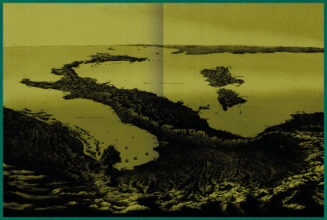
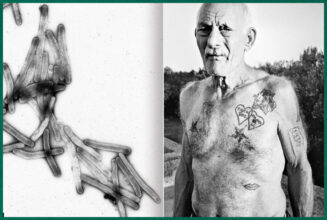
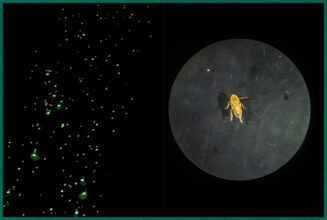
The publication’s cover is printed with metallic inks and it includes art paper stocks of differing weights and colours that demarcate distinct but interconnected sections of this extensive visual essay. Inside are historic maps and illustrations that reinforce the significance of the olive to Italian culture. In contrast, microscopic images of the bacterial pathogen and its hosts, sapsucker insects that hop between plants feeding on xylem and spreading the disease dubbed Olive Quick Decline Syndrome and which cause the tree to die from the inside out, feature too. There are still-lives of secateurs, scythes and coils of plastic wire shot on white backgrounds for forensic examination. Test tubes, beakers, bagged specimens and PPE share this space, paralleling the now-familiar visuals of the Covid-19 pandemic which has played out simultaneously.
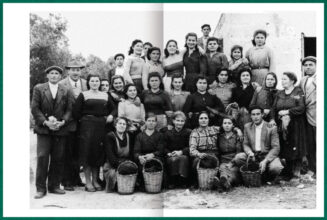
Elsewhere, Caimi + Piccinni’s publication contains both formal and more candid colour, black and white and hand-tinted archival photographs of previous generations of famers and landowners, each marked with age. These are positioned alongside more surprising contemporaneous portraits of just a few of the families impacted. A bare-chested, tattooed, elderly man with a wary expression and a close-up of female hands encircling a child’s plump foot are highlights. Polaroid snaps of tools and machinery, meanwhile, are paired with notes handwritten by olive farmers in Italian (translated in English on the facing page). These give voice to their concerns and provide some visibility to the personal cost of the situation.
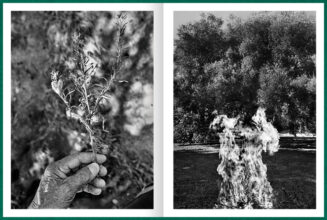
Photographs of the olive trees themselves are among the most arresting shown. It is here that the starkness of the landscape is laid bare and that the wider context of the seemingly unstoppable climate catastrophe is brought crashing into the mix. Pollarded, burnt, blurred, shadowed, lit with purple or red-orange lighting, these once graceful, historic trees are rendered alien and useless. A suite of six black and white photographs towards the end of the book show leaf-less trees covered with translucent netting. They appear like ghosts.
__________
Fastidiosa by Jean-Marc Caimi + Valentina Piccinni is published by Overlapse (January 2022).
With thanks to Anneka French for her review.