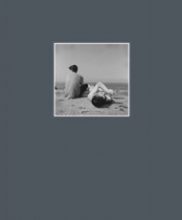
Ken Grant is good at photographing kids, and there are lots of them in No Pain Whatsoever. Drinking the last drop from a cup, cuddling with a dog or standing outside a pub, the children he shoots are natural and unaffected, full of life and self-possessed. The adults he shoots are also unguarded, if not as lively; caught on the fly or staring back at the lens, they don’t smile for the camera, and often seem unaware of it.
It’s down to the way he works because, mistrustful of quick assignments and neat narratives, Grant spends a long time on his projects. The Close Season, published by Dewi Lewis in 2002, was shot over 15 years. The images collected together in this book, which is published by Journal, were shot from 1986-2010. They are presented a-chronologically over the pages, only the slight variations in fashion, architecture and design giving any clue to the year; the babies depicted in the older images, you slowly realise, may be the adults later on.
Grant also chooses to photograph people he knows – born into a working class family Liverpool in 1967, he photographs family, neighbours and friends from the area. No Pain Whatsoever was shot in Liverpool and nearby Birkenhead and “began as a way of remembering the craftspeople and laborers of my adolescence,” he writes on the back cover; shot in homes, in pubs, in the street and by the water, his images show a strong community, people usually with others, generations mixed together.
But if Grant is an insider, his camera, and the life it’s led him to also make him an outsider. His subjects have dignity but Grant doesn’t flinch from showing the bad things in their lives – the grimy streets, the litter that turns the grass verges into wasteland and the concrete that makes the waterside grim. He shows what looks like despair, and cigarettes and alcohol punctuate the book – one man sits on the pavement outside a pub, head in his arms and a near-full pint and a toddler by his side; elsewhere an older man reaches for a drink, surrounded by friends but his attention absorbed by the glass. The last shot is of a man lying down in the pub, his head obscured but smoke rising from the ashtray beside him and an empty glass on the table.
No Pain Whatsoever shows people in their down time and – in Britain especially – drinking is central to that; even so, these images sound a warning. Grant opens the series with a poem, describing a man “lost and level in the drink into the late afternoon, into the night”, and his title, No Pain Whatsoever, suggests the numbing effects of the booze. The conflation of time over the pages, perhaps, speaks of a sense of hazy stagnation, and the waste of so much youthful promise. “This book is about the quiet hours and days,” Grant writes on the back cover, “relationships that ebb and flow, flourish or fail, and what we do – and, sometimes, about all we can do.”
– reviewed by Diane Smyth
———-
For further reading: www.ken-grant.info