Profile by Romina Provenzi
Maga Esberg likes to work slowly, and what matters to her is to create change. “I think everyone who wants to use photography really needs to ask themselves what are they honestly adding to the discourse that hasn’t been done already. Therefore they should find a way to challenge themselves to create change,” she told me during our conversation on Zoom from the Centro Negra in Blanca, Spain, where she is doing a residency.
Having worked in photography for about thirty-five years, Esberg now sees herself as a visual artist compared to the past when she felt more like a photographer. “If initially I was just recording what I was finding, then I developed an interest for contemporary art while teaching photography at an art school.” The artist finds photography such a unique medium to drive change, which at the same time motivates and challenges her to do work that hasn’t already been done, considering how much there is already out there. Shooting with both analog and digital cameras, she is also taking images with her iPhone. “I often work with very basic cameras. At first I used to work with the point and shoot Russian 30mm Lomo camera, then I started to shoot with a Lubitel camera that requires you to guess the exposure time.”
For Photo Oxford 2021, a festival of photography that runs in Oxford every Autumn, the artist is showing an image taken with her smartphone alongside the lens-based works of sixteen women artists as part of the exhibition HATCHED 2021. Opening on November 4th at OVADA in Oxford, HATCHED 2021 takes its name from the art platform run by Esberg since 2015 that shares women’s experiences, ranging from intimate, to political and human rights issues.
The platform was initially conceived by Esberg in response to the predominantly negative press coverage and lack of positive news about women in the media, then evolved into a more comprehensive space for reflection and discussion. “At present women continue to suffer due to gender inequalities, but I think that trying to get space and exposure for women as a movement to change gender inequalities, it is not enough. If and when women keep accepting inequality, the equality won’t happen just like that,” the artist points out, and adds that “to have an impact on people, I think it is fundamentally important to approach them in a way that they will allow themselves to be drawn into the argument rather than provoking or shocking them. This is why I want HATCHED to become a more inclusive and intersectional platform.”
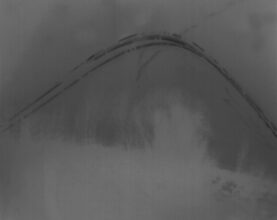
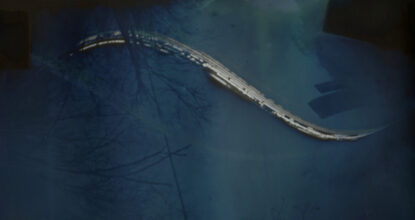
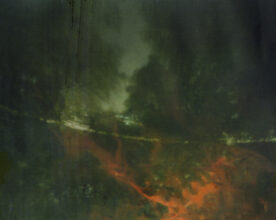
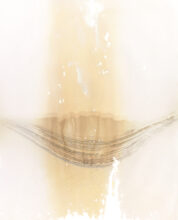
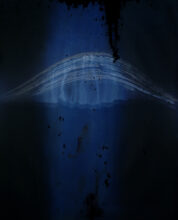
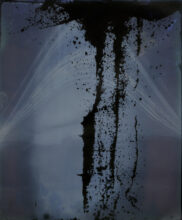
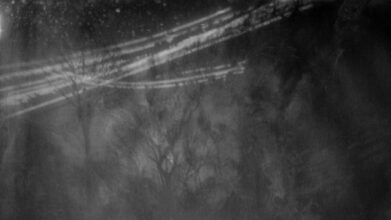
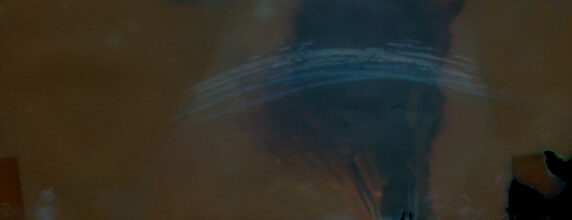
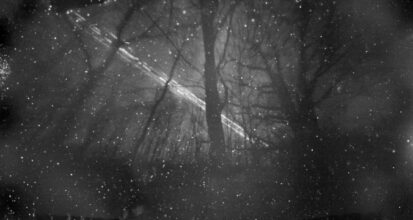
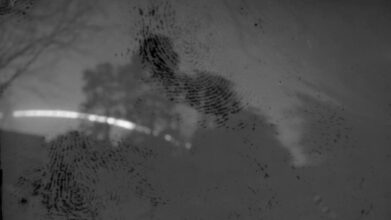
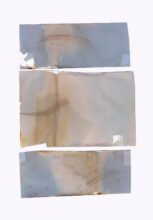
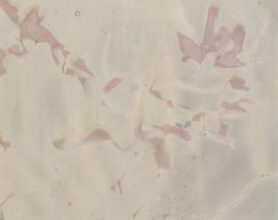
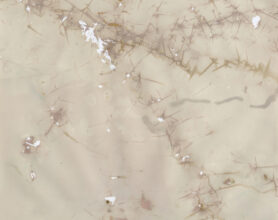
Esberg started making images with a basic pinhole camera at a time when she felt the urge to stop focusing on the technical aspect of photography, which coincided with a new project called ‘Woods’ that the artist started in 2014. “First of all, I thought a lot about what is an image and how much control we have as artists when we take pictures. Consciously I wanted to lose the control required for making decisions in the process of creating work, and certainly I didn’t want to make more work about myself and my experiences in life, with this new project. For these reasons, I had the idea of taking photographs to capture the trees while the sun comes out from behind and in front of the camera every day,” she told me. The project ‘Woods’ is now an ongoing project based on the exploration of Wytham Woods, which is a woodland owned and maintained by the University of Oxford in the outskirts of the city. When the artist was taken by a friend to Wytham Woods for a walk for the first time, she immediately felt in love with the place because it is like an enclave of nature and peace next to a very busy urban environment. Her ongoing project consists in taking photographs while exploring and walking in the the woods, and afterwards reflecting on what she has photographed to try and capture the essence of the place.
Esberg is also a keen observer of the elements while out in the woods. “In my exploration of the woods, I am particularly intrigued by the wind that was very strong and very present in the village where I grew up. It fascinates me because it is a type of energy that isn’t visible.” In a recent video element of this project, the artist filmed a canopy from the ground up to the sky from a particular angle which presents a particularly awkward image to see how the wind affects the trees. Esberg intends to run a long term project here; she likes to work slowly and to keep exploring and challenging herself as much as possible.
“A lot of my work is about places: walking and exploring places like the work in Wytham Woods. It is quite beautiful and it allows me as an artist to explore the wood even further and more deeply so I can make work about it. Walking has strong ties with land art too, and therefore conceptual art, which is very important for me.”
Maga Esberg isn’t particularly comfortable with the idea of art and artworks having a market value and being seen as mere objects. Art is for change.
__________
For further viewing:
Maga Esberg’s work will be showing as part of “HATCHED 2021: Women Creating Landscapes” at OVADA, Oxford from 4-6 November 2021 at part of Photo Oxford 2021.
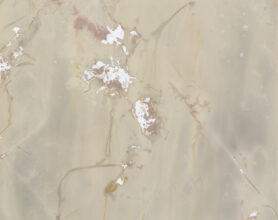
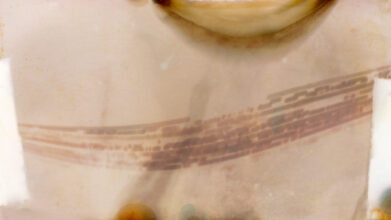
Images above are from Esberg’s ‘Woods / Star’ series.
With thanks to Romina Provenzi for this essay.