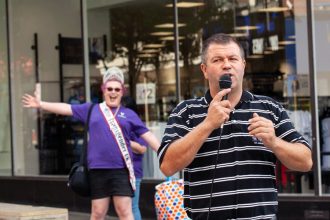
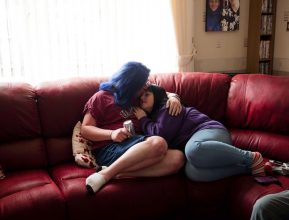
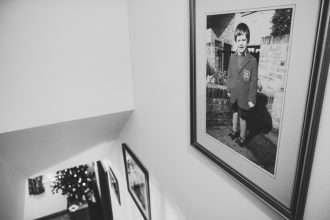
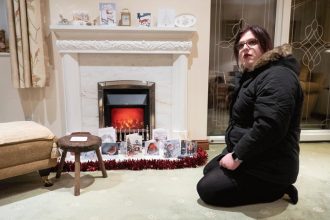

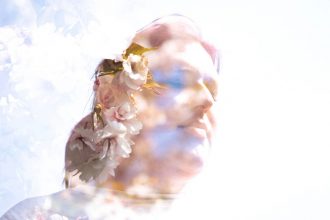
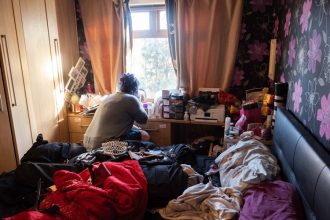
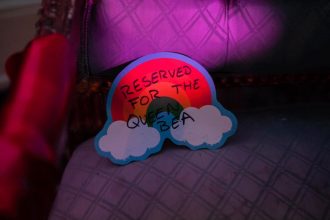
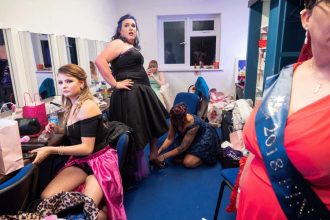

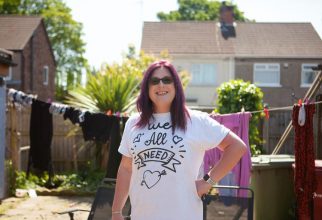



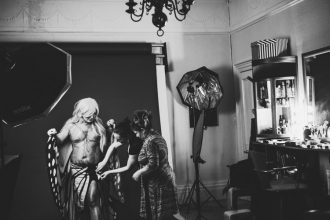
This project is about Bea, who is constantly ‘having’ to define herself against other people’s expectations of a model, a pageant queen, a transwoman, a woman full stop.
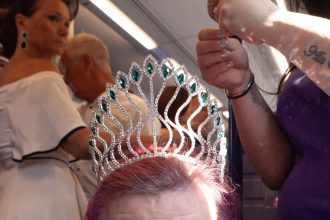
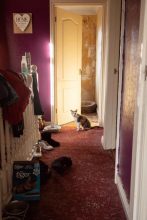
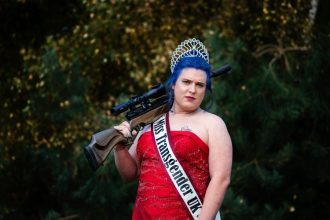
Bea won Miss Transgender UK 2017/18, which was when our collaboration started. She told me that a week after the pageant she wanted to “fly”, i.e. to die. “It looked like I was on a high, but I was very much on the edge. At the end of it all I was still sat on my own at night, back in Scunthorpe.”
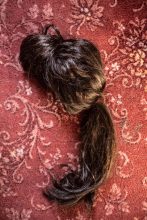
She recalls: “One night, soon after I first came out, I was at a cashpoint. Someone came up behind me, pulled my wig off and punched me in the head from behind.”
—
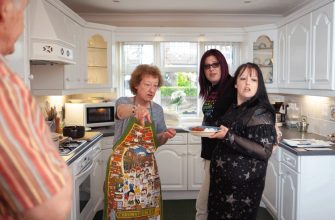
Many people, whether close family or strangers, think they know something about Bea, presume what she’s like, and have a view on how she should live her life. The original idea was to share Bea’s personal experiences, taking a documentary approach, to challenge stereotypes and tell her story from her point of view. As our collaboration developed, the project started to include some more ‘conceptual’ shots – for example Bea posing in a ballgown with a gun. The photo is her statement as to who she is, her different dimensions, and an “F you” to people who think she should conform in any way.
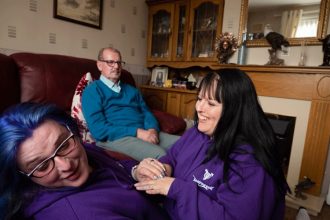
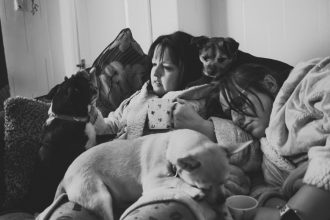
We are all defined to some extent by people’s reactions towards us, positive or negative. What we didn’t know when we started working together was that one person’s feelings towards Bea were going to feature so prominently. Donna, whom she’s now engaged to, came back into her life last year. Bea first went out with Donna when she was Ben and they reconnected after she won the pageant.
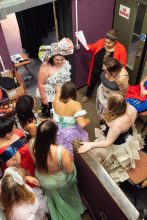
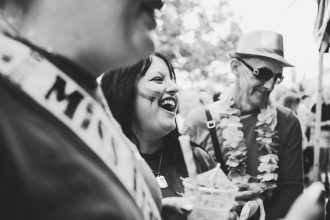
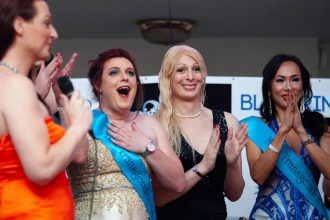
Since Miss Transgender, Bea has gone on to compete in other pageants. “Undoing years of feminism,” Donna teases. “All the things I’ve fought against!” At Miss Mystic, Bea won ‘Miss Congeniality’ a title voted for by the other girls. “I didn’t have the group of girls at school, or the hen nights. This is my sleepover or girly night out,” says Bea.
Having the support of her fiancé Donna bolsters Bea, so that she has the strength to continue enjoying taking centre stage when the opportunity presents, as well as the knocks that come with it.
—
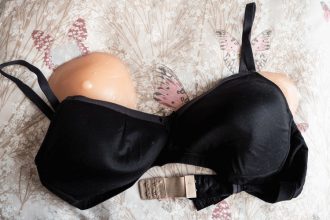
Not all transgender people want to be an activist or “public figure” as Bea describes herself, but being thrust under the spotlight is not always a choice. If you’re called out in the ladies’ loos for having a deep voice, refused entrance to female changing rooms, asked to come back at closing time to shop for bras, attacked in the street, and have work gigs cancelled all on account of simply being trans, a personal journey is no longer private anyway.
Bea navigates other people’s take on her life largely with warmth, patience and humour, but also with some frustration and pain. At the end of it all, regardless of the number of opposing, and often fabricated views, she is still Bea, just Bea.
—
About the artist:
Gemma Taylor is a documentary and charity photographer and writer from the UK, based in the North West. She’s particularly interested in long-term, collaborative projects with individuals to share personal stories connected to a social, environmental or human rights issue. Gemma is currently working on a project with young single parents affected by austerity in the UK.
For further information:
BeaYourself is a support group in North Lincolnchire for LGBTQ people and family and friends.
“I want to help parents to see it as a privilege, that their son or daughter has got the courage to be themselves, because for a lot of families, they’re going to a funeral instead.”