

© Holly Wade
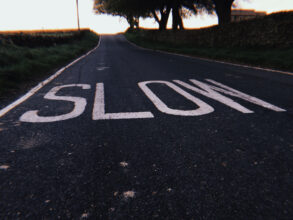
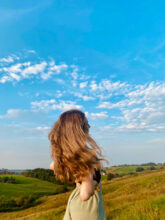
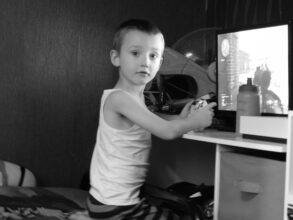
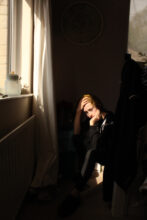
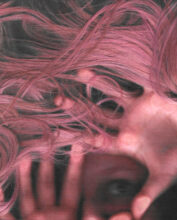
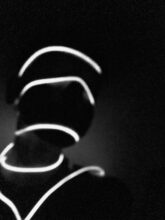
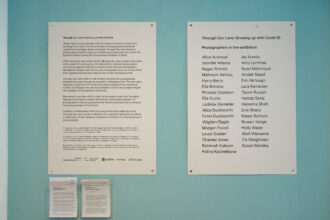
Through Our Lens: Growing up with Covid-19 (originally known as Through Our Lens – Covid 19 Project) began in April 2020 as a response to the Covid-19 pandemic and lockdowns. Initiated by artist and photographer Carolyn Mendelsohn, the multi-layered project has been driven by the talent and creativity of more than 100 young people in the Bradford district, who have participated in Zoom masterclasses, received mentoring, shot their own photographs and developed several exhibition platforms for their striking and experimental work. The photographs share their unique stories of this challenging time. Below, Anneka French speaks with Mendelsohn about the creation and growth of this distinctive project.
__________
AF: How did the pandemic become the catalyst for Through Our Lens: Growing up with Covid-19 ?
CM: A month prior to the first lockdown, I was preparing for an exhibition and publication of my portrait series Being Inbetween and other commissions. Then everything stopped and I had three teenagers who all suddenly had to come home. I was really concerned about what was happening to them and to other young people during the pandemic and started to make a social photographic document of my family which I posted on Instagram. Bradford Metropolitan District Council allocated funding to Covid response projects and because there was nothing in the emerging narrative about young people’s experiences, at a time when they were traumatised and their lives were dismantled, I wanted to enable them to tell their story.
AF: Why do you think young people’s voices are missing from the mainstream narrative?
CM: Young people and children have no agency. Unless there is something obviously newsworthy at the time which directly involves young people, they are not seen or heard. Their lives are pretty much controlled by their timetables, their families, their guardians; they’re not encouraged to speak out generally.
AF: How did you develop your initial idea?
CM: I did a call out to young people in the Bradford district. No previous experience was required and my offer was to run workshops, guide and mentor young people aged 13 to 19 (later extended from 12 to 20). I got quite a lot of responses and arranged parental permissions and access to Zoom for an initial group of 20.
AF: What made them respond to the open call?
CM: Some because their parents or teachers saw it and thought it would be a good idea, others because they’re interested in photography. Some chose to do it because they didn’t have anything else to do at the time and wanted to try something new.
AF: Tell me about the Zoom sessions.
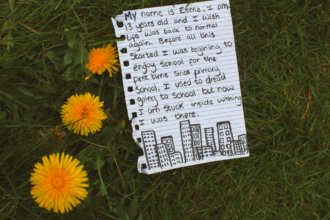
CM: There was a general project introduction and I introduced the young people to the work of specific photographic artists, exploring photography genres and providing briefs. It was really important for them to have a grip on the technology they were using, to look at what makes a good photograph and learn how to tell a story visually through composition, light etc. I encouraged them to start looking closely at and talk about each others’ photographs. Feeding back to each other proved to be extraordinarily empowering and their growing ability to analyse photographic work was insightful and really impressive. One brief was for a self-portrait, another to photograph and write about an object that’s important to them, documenting how they were feeling along the way. Even the ordinary things in our lives are interesting. It was important that they didn’t try to please me with their images. They all were very free and very open with how they created their photographs, unworried about being judged or marked, and they did some extraordinary experimental work. Sometimes mistakes are where the brilliant stuff comes from. Some of the young people’s writing is included in the Through Our Lens exhibition at Impressions Gallery and it is so moving.
AF: How did these online conversations develop into the photographs we see in the different exhibitions realised?
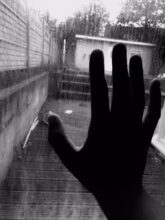
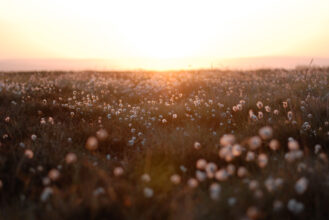
CM: Their images are powerful because they go straight to the core of the experience of lockdown for those young people. They sent me images every day, many including the written context. I selected and published the images on a dedicated Instagram page, posting three posts a day, every day, then shared them onto twitter to reach a wider audience. Through mentoring and group conversations each of them had the opportunity to speak, to be together and to give and receive positive feedback. They started to become really experienced in analysing photographic work and were inspired by each other.
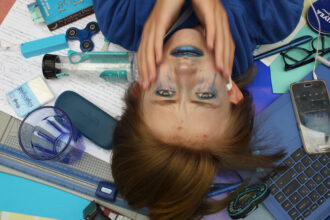
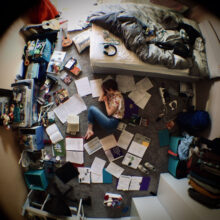
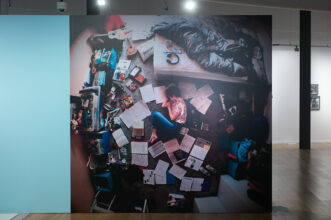
We started to get lots of attention on social media and this led to wider media interest including features on BBC Breakfast, Huffington Post, and local regional and national press such as in Harry Berry’s portrait of themselves in a foetal position with books laid out shot from above. This encapsulated the lockdown experience for many and sharing it resulted in more interest. We got a lot of support from internationally well-known photographic artists, curators, and picture editors, who still follow the group. Daniel Meadows, Roy Mehta, Alys Tomlinson, Barry Lewis and Jack Lowe became patrons and some came to the sessions and shared talks with the group. All my original anxieties of the time were transferred into energy and effort making this work for these young people because I could see it was transforming their experiences and that their voices were starting to emerge through and from the visual narrative at the time.
AF: Did the group(s) develop a community?
CM: Only a few members of the group knew each other beforehand. The group expanded to include others and is now incredibly diverse. This shared experience has meant a lot to each individually and they have become a really strong community. There is a strong element of co-production. The original Through Our Lens group are involved in its future development and also worked collaboratively on a manifesto. Many have become mentors and assistants in satellite projects.
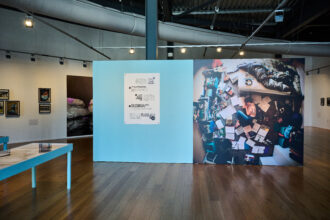
AF: Can you tell me more about the exhibition at Impressions Gallery?
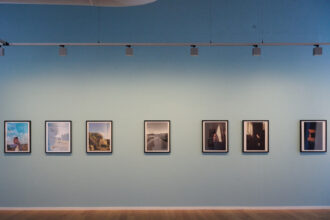
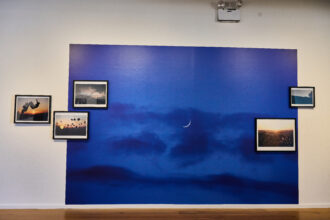
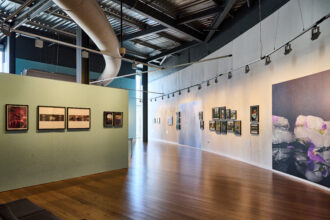
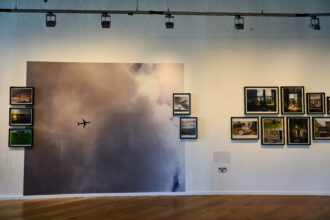
CM: Anne McNeill, their director and curator, came on board very early on to support the project, she could see how important the emerging work of the young people was. As the project progressed Impressions Gallery continued to support it. Anne and I, along with members of Bradford Council, and Museum and Galleries, worked together with Through Our Lens on an outdoor exhibition of the project across the whole district in the summer of 2020. Anne already said that she would like to have a major exhibition of the work at Impressions Gallery. This has been an astounding opportunity for the young people.
At this point I had been working with over 100 young people, with a core group of around 40, who sent over 2000 images for the project. Together with Angela Sheard (who at that point was the associate curator at Impressions) we cut that down to about 400 images, had Zoom and in person sessions with the gallery team for the young people to learn about installation, making selections and to look at the exhibition overall.
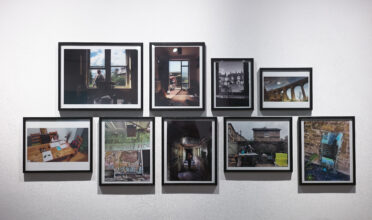
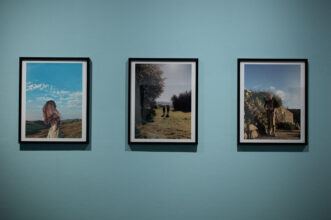
There was a group who came to the gallery for in person sessions with Anne and myself, and they were directly involved in the process of selecting the work, choosing the wall colours and looking at different hangs. They were always at the centre of this which is something Anne also feels passionately about. I encouraged them to fight their corner if there was a photograph they strongly felt should be included. The final selection doesn’t include every single person’s image but we tried as far as possible to have most people’s images in. I would have had everybody in if I could.
AF: What about the satellite exhibitions?
CM: The Our World exhibition at Lister Park was developed with 6-11-year-olds in the third lockdown last year. Two members of the Through Our Lens group were mentors and assistants. I ran the same series of sessions and didn’t dumb it down because if you communicate well, then young children will understand it at their level and I will never underestimate what they are capable of. It was run similarly in terms of briefs, sharing and talking about their work and they were amazing. Their work is up at Impressions Gallery. I also worked with subgroups including a group of young refugees who had just come into the country in the first lockdown. Our Street Gallery showed the young people’s work on billboards in the district. There is also a project website, newspaper publication, virtual exhibition online and a series of artist films where the young people talk about their work.
AF: What’s been the impact on those involved and what’s next for this body of work?
CM: Their work was exhibited widely and celebrated on national television and international press. At that very fragile time when they were supposed to be taking exams or going to school or college, these huge, amazing opportunities came. Amilah Majid created a conceptual piece featuring flowers in ice about how she felt the government was treating lockdown and re-opening too soon. She was interviewed on BBC News about her experience. They’ve all talked about the positive impact this had at such a dark time, of how it gave them focus. Three or four of them are now going on to study photography or film at degree level. The shared experience made them feel that their voices and stories were important. I think it’s been quite life changing for some of them.
I’ve been very lucky to have lots of partners including Arts Council England, Impressions Gallery, the National Science and Media Museum, Bradford Metropolitan District Council and Bradford College. I’ve been working with Bradford Museums & Galleries to develop the first digital archive of the pandemic within their significant photographic collections. Through Our Lens: Growing up with Covid-19 has been acquired for the archive which is exciting and significant. I’d like to build up more satellite activities for those whose voices aren’t heard and are marginalised.
I’m looking at working with young carers and have worked with women refugees but the young people and their guidance are central to everything. I’m very proud of those young people. Their work is so multi layered that those who see the photographs are completely knocked sidewards by them: there is joyfulness and real trauma to the work but there is incredible imagination and visual artistry in it as well.
__________
Through Our Lens: Growing up with Covid-19 was on display at Impressions Gallery, Bradford, 5th January – 26th March, 2022 and a virtual exhibition can be viewed here: Impressions Gallery Virtual Exhibition.
Works from this project will be exhibited at PhotoNorth Festival, Manchester, 7th – 9th May, 2022.
For further viewing: Through Our Lens Carolyn Mendelsohn