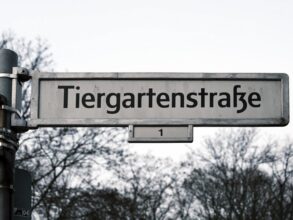
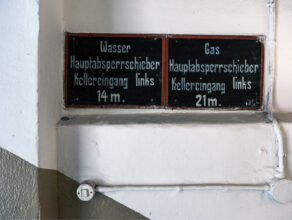
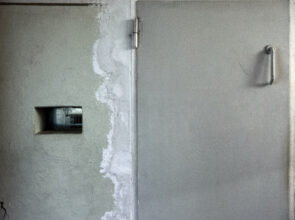






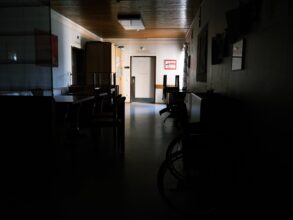
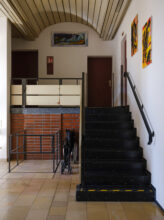


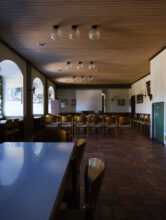



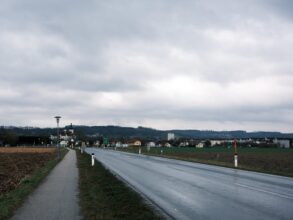


1939-1945, National Socialists murdered an estimated 200,000-300,000 disabled German citizens, labelled as ‘Useless eaters.’ and ‘Life unworthy of life.’ Named after the location of its administrative offices at 4 Tiergartenstrasse, Aktion T4 instigated the first recorded instances of murder by Gas Chamber. The methods of killing implemented in T4 would go on to form the basis of mass murder committed in the wider Holocaust; many of the T4 staff would also go on to work at extermination camps. Six locations throughout Germany and Austria were chosen for the Aktion T4 program. The sites were located at Hadamar, Schloss Hartheim, Schloss Grafeneck, Brandenburg, Bernburg and Pirna Sonnenstein.
__________
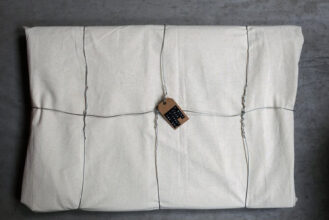
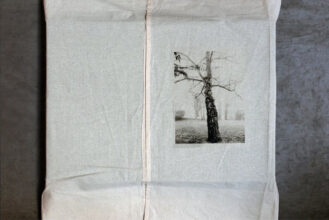
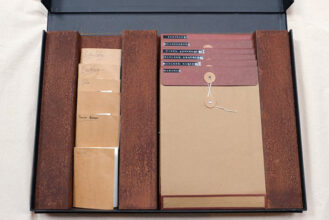
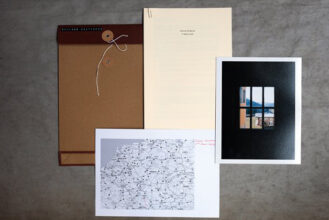
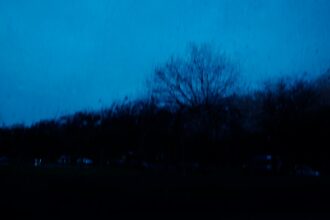
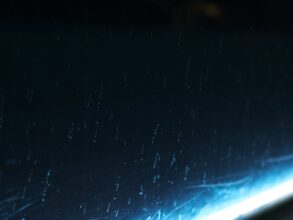
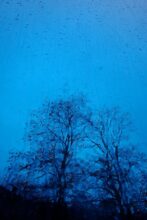
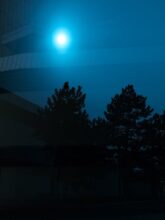
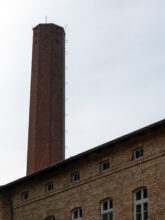
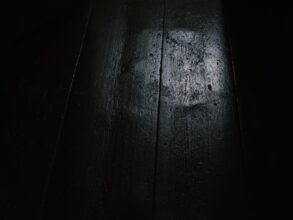
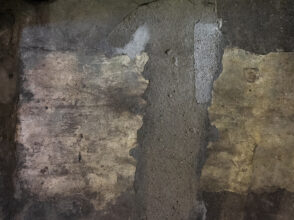
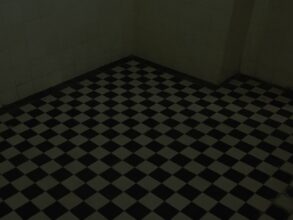
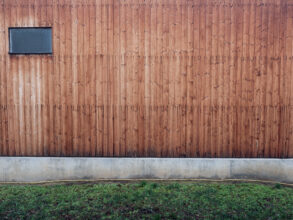
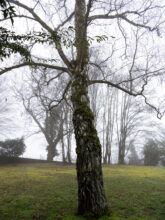
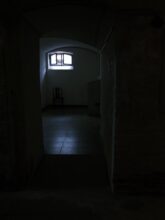
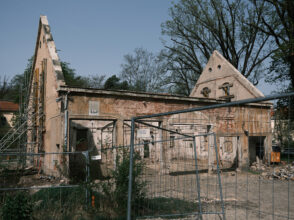
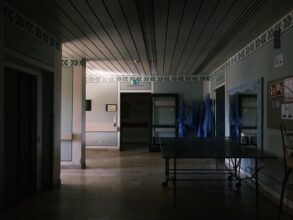
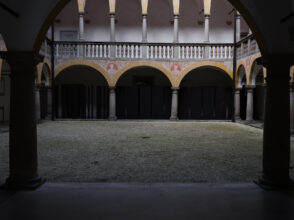
This body of photographic work spans one and a half years of research and travel. It is the first, single collection of images that documents and explores each of the six Aktion T4 sites. I have intended to create a lasting photographic record and personal reflection in the form of a visual and diarised account of this important, yet often overlooked, chapter in history.
When visiting the T4 sites, I was able to approach each location armed with research, dates, times, perpetrators’ names, victim numbers and so forth; however, in the experience of each site and in the creation of the images it became apparent that despite being forearmed with a knowledge of the atrocities, I could still not fully comprehend the sheer number of victims, or the hegemony and attitudinal prejudice of the National Socialist Dictatorship. My mind was actively rejecting the comprehension of the crimes lain before me as a coping mechanism of avoidance. This unexpected form of self-protection was not a conscious decision; however, I was able to acknowledge that it was occurring. In reference to Sharon Sliwinski’s essay on Lee Miller’s Dachau, it was not only the images that I was creating that remained stubbornly at the limits of my understanding, but also in the act of being present in the spaces that the crimes were committed.
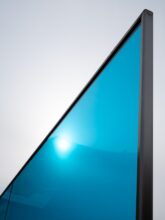
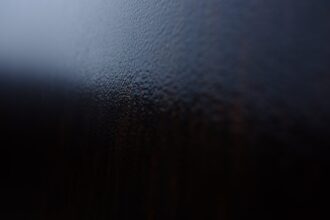
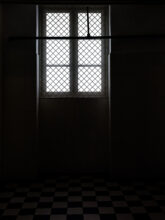
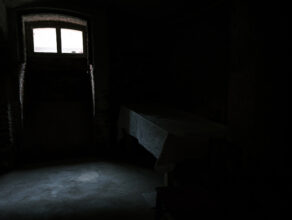
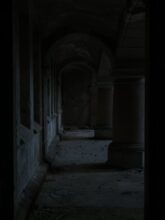
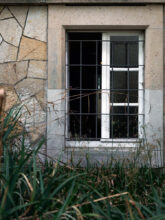
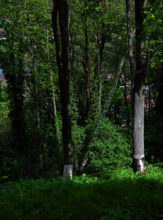
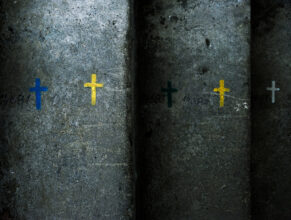
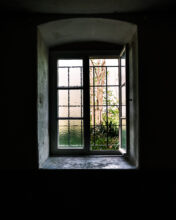
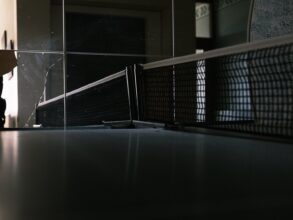
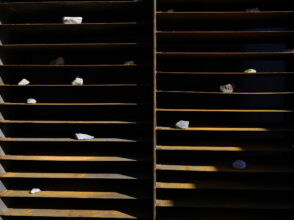
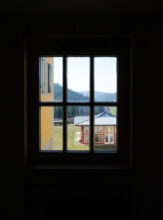
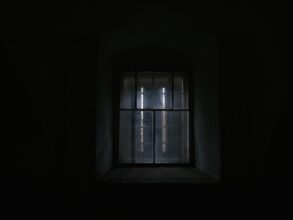
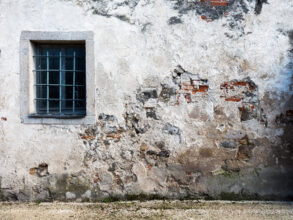
When taking these photographs, emphasis was placed in the careful handling of the small amounts of natural light available in the often-confined spaces. A thematic that developed throughout the project was in the inclusion of windows, looking into and out of spaces at each site. This technique allowed me to form a visual narrative and build a universal language across the locations, illustrating the views seen by the victims and the perpetrators, be it a last, narrow glimpse of light to the hillside beyond the gas chamber for the murdered, or to that of looking through the Gas Chamber inspection window, placing the audience’s point of view to the same position as the murderer.
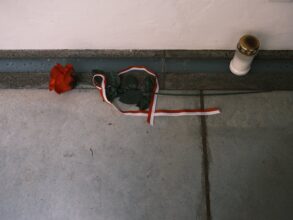
In my role as a post-factum documentarian, I have witnessed the scars of the tragic events of Aktion T4 to raise awareness and create lasting testimony. My presence in the spaces where such appalling atrocity occurred, has weighed heavily on me since completing this work; I think about it every day. Commemorating so many lives lost, how do we mark them all? These visual records function as catalysts for remembrance and contemplation. The events have passed but they must not be forgotten.
To present this project as definitive would have been wrong; I cannot provide individual testimony from the victims, I can, however, provide my personal testimony to the memory of the victims.
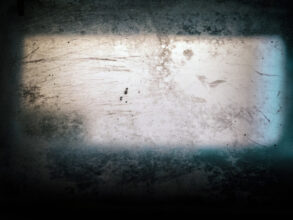
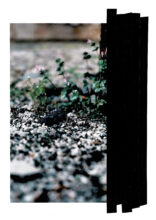
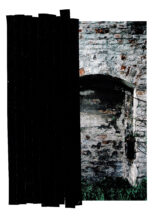
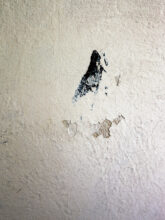
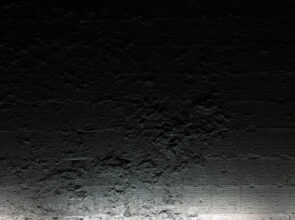
Five of the six sites were incredibly supportive of the project, giving me not only time but invaluable knowledge of each location, their support and encouragement throughout has been wonderful. One site actively blocked access and refused the use of any images made, this is reflected in the redaction of the photographs, through this process of blocking out the images each print becomes its own monolith, echoing the monument structures and window forms found at each T4 location.
The project was inspired by my daughter and her courage and determination in the face of her disability, I am so very proud of her.
The final body of work is now held in the London College of Communication Historical Collection.
__________
This project is dedicated to Dr Paul Lowe, an extraordinary photographer and educator. His invaluable knowledge, unwavering support, and constant encouragement made this body of work possible.
__________
Richard Wood (b.1978) is a documentarian exploring hidden histories and little-known elements of wider historical events that have resonance with current social issues. He received an MA with distinction in Photojournalism and Documentary photography from the London College of Communication. Photomonitor + UCA awarded Richard a commendation for this project at Free Range, July 2024.
Instagram: @richardwoodphoto
Website: richardwood.uk