




From the Latin SYZYGIA, from the Greek SYZIGÍA, “union, pair, set”, from SYN-, “together”.
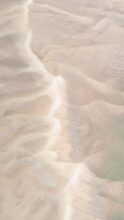
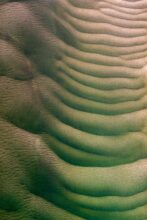
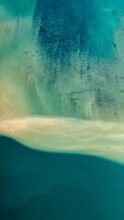
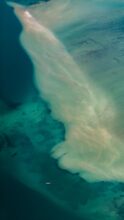
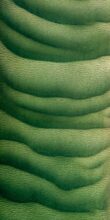
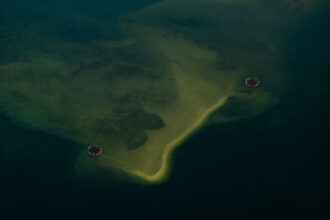
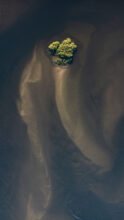
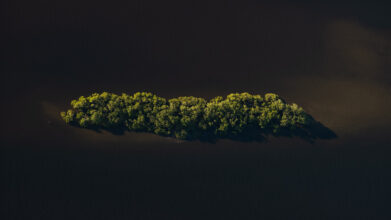
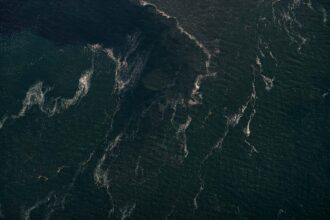
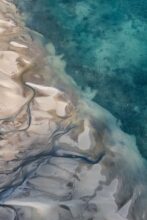
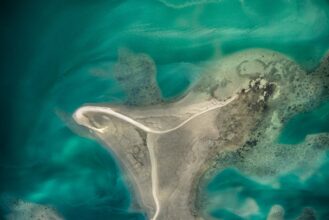
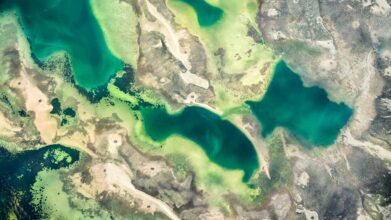
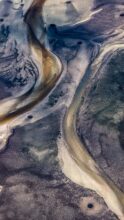
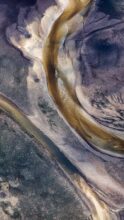
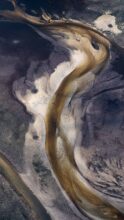
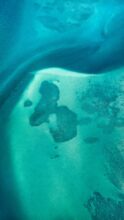
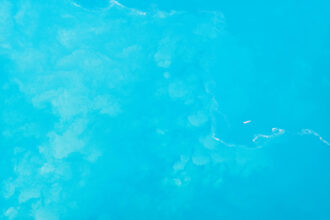
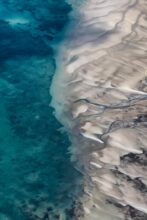
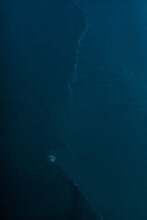
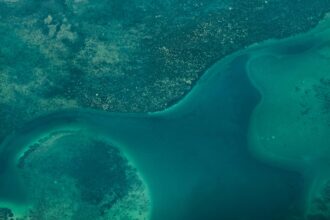
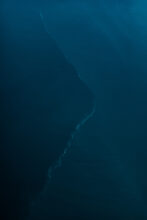
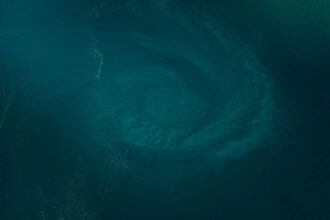
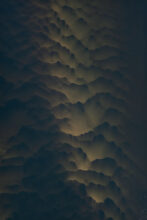
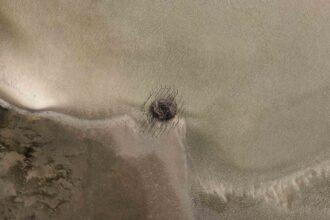
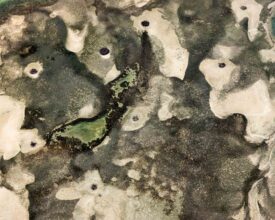
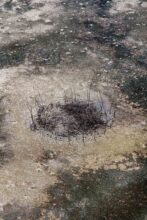
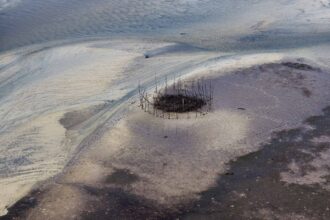
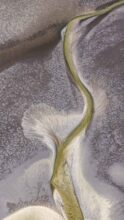
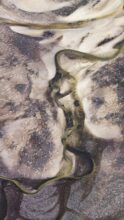
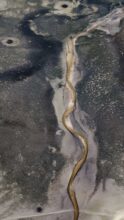
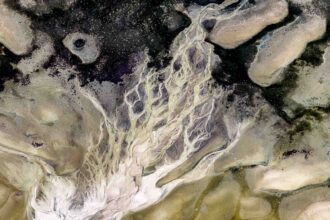
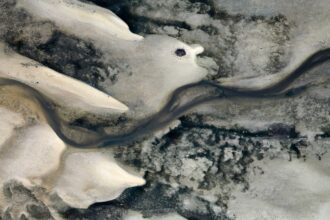
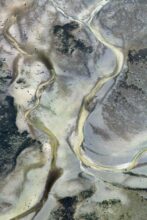
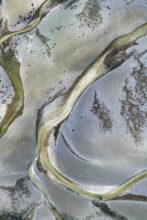
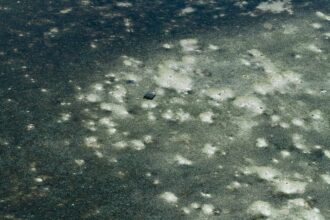
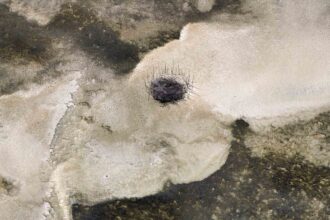
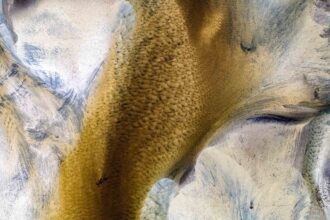
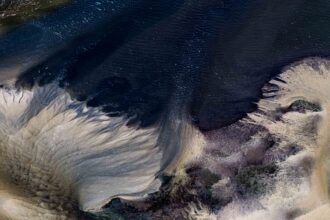
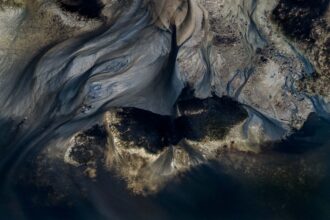
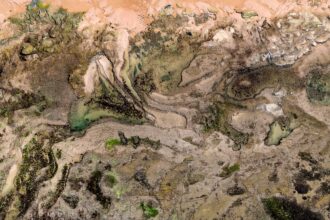
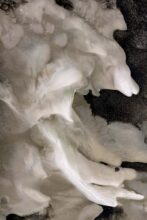
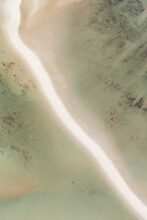
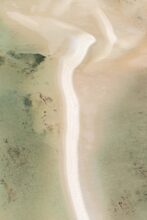
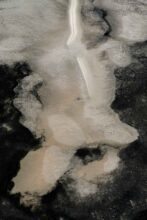
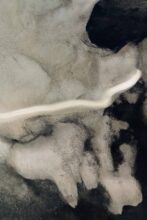
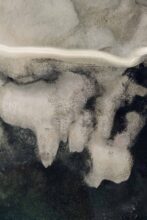
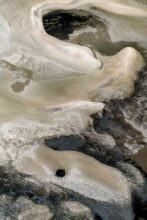
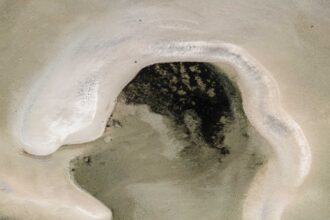
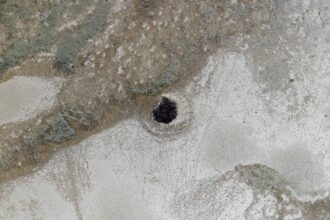
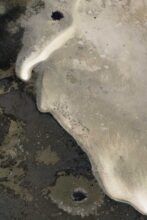
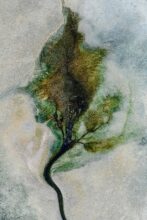
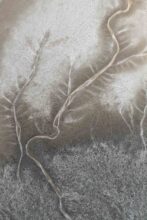
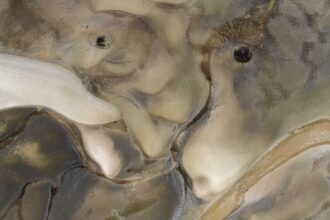
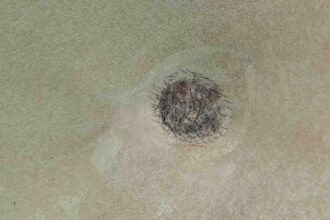
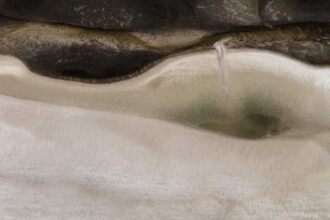
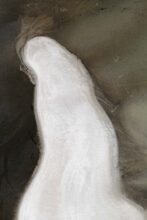
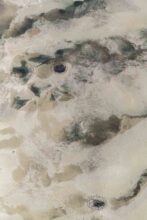
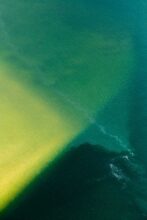
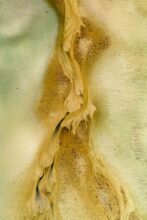
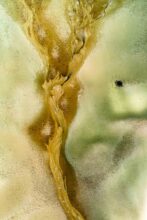
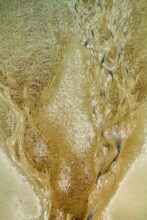
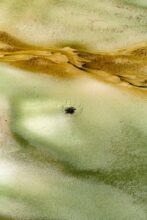
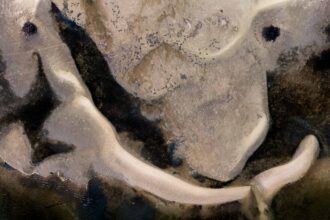
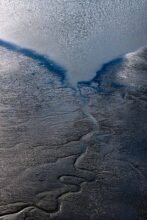
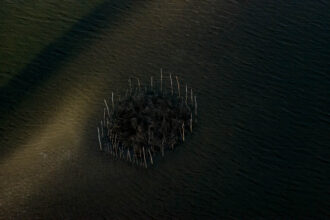
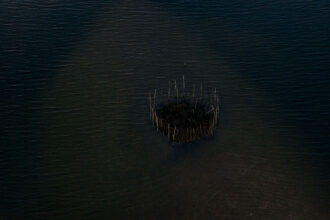
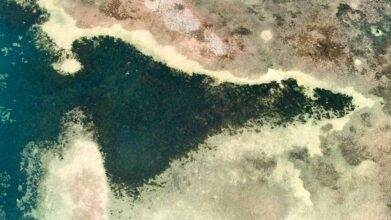
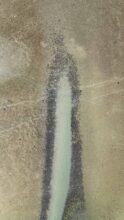
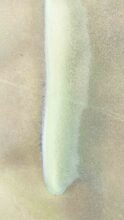
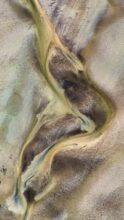
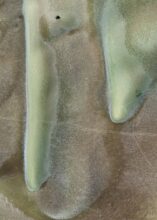
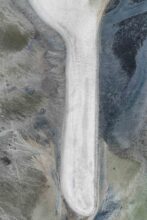
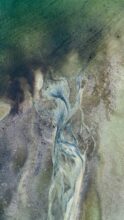
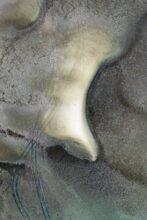
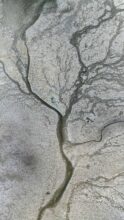
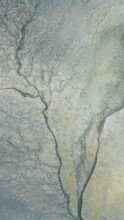
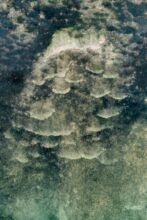
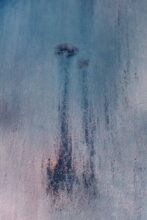
Sizigias are moments of connection in which sea, soil and rivers build new reliefs and geographies. In moments of Sizígia, when the alignment of three bodies belonging to a gravity system occurs, something common in the collective unconscious appears as a revelation. Sizígia is also a meeting. It is the space-time in which different forms of non-human life react to the synchronized movement of the cosmos to produce its flows, destinations, reliefs and maps. It is in Sizígias that the landscape is transmuted, allowing to perceive the daily life and its constant capacity for creation.
From this action that involves observation and listening to the landscape with which I relate, the production of the images begins with the evaluation of the weather: moments of Sizígia, the occurrence of low tide, meteorological conditions, air humidity, light and atmospheric visibility. Natural variations that will define the type of visual dialogue built with the territory.
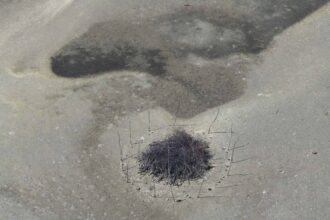
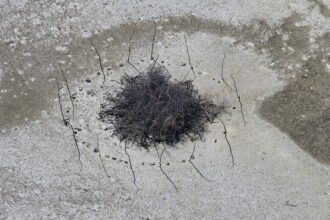
Since 2017, this encounter between technique and poetics has been taking place in areas of Todos Os Santos Bay (Barra do Paraguaçu, Salinas das Margaridas, Itaparica Canal, Caixa Prego to the mouth of the Jaguaripe River), places where through flights with a helicopter the first stage of the photographs that I present in the series are collected. This moment of suspension is also a moment of immersion, which makes the studio the stage of assessment, clipping and assembly of the landscapes that are built from the investigated landscapes. To purify, reassembling, extracting excesses, amplifying textures, correcting colors, highlighting lines and shapes are some strategies of composition adopted until the final images are created.
Currently, the Sizígia series and research have about 6 visual chapters under development and each of these chapters seeks to prolong the situations experienced in the territory such as: the poetics of non-human geographies, the impacts of contemporary life in relation to traditional ways of conceiving space and the contributions that the incorporated knowledge provides for the construction of new policies by the imagination.
__________
Uiler Costa-Santos (1983) is a visual artist and educator in the city of Salvador, Brazile, where he lives and works. His research proposes, through photography and the study of images, an interlocution between the imaginary of the landscape and the policies of redistribution of the sensitive by the abstraction. His production uses the image as an aesthetic vehicle, providing the body with different experiences of perception from common and everyday spaces, giving back possibilities of political-geographic imagination. Since 2017, the artist has dedicated himself to the “Sizígia” series, a research carried out through aerial photography of the Itaparica channel, a region on the coast of Bahia, where he follows different reliefs and movements of the tide and builds new ways of apprehending the local landscape. He has collaborated with vehicles such as National Geographic Brasil and National Geographic Traveler UK, Four Seasons, Salvador’s Tourism Board, among others. He is a guest columnist for the Iphoto Channel and the Portuguese blog Fotografia DG and, since 2015, he has been teaching photography courses with an emphasis on technique and poetic research. His artistic work is represented by Paulo Darzé Galeria (BR) and Art & Emotion (CH).