







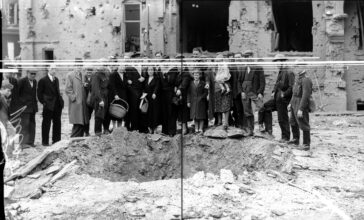
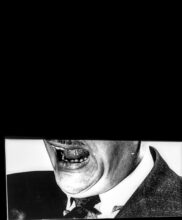
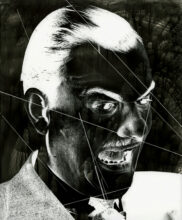

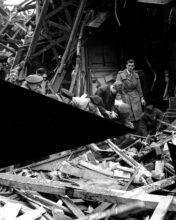





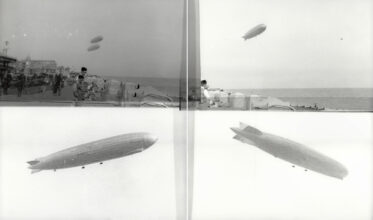


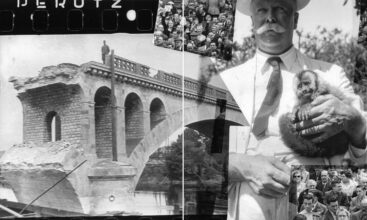

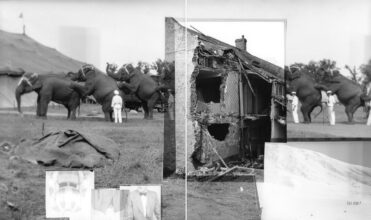
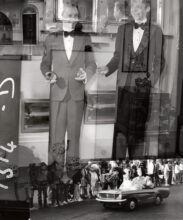
‘Those who hear the ticking’ was a phrase used by Hannah Arendt in her 1968 essay ‘On Violence’ to describe the first generation to be aware of the looming possibility of mutually assured destruction through nuclear war. As a child of this generation, I, too, have always heard the ticking. Although it softened for a while, today, we hear it louder than ever.
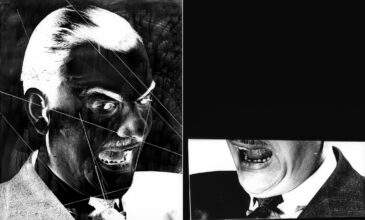
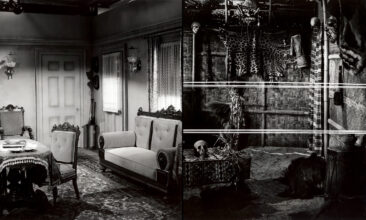
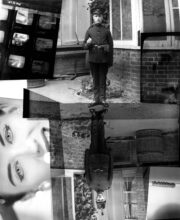
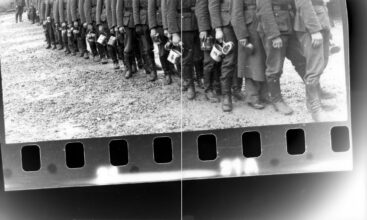
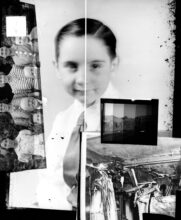
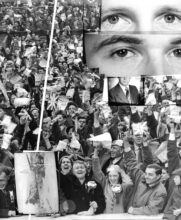
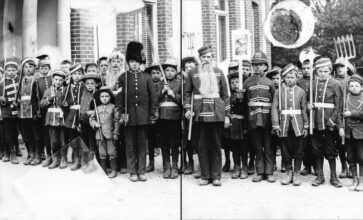
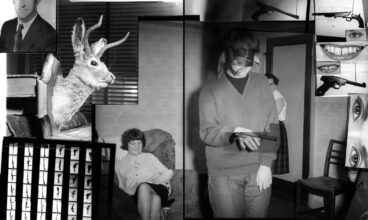
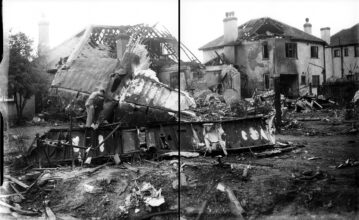
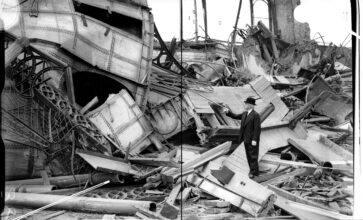
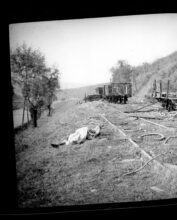
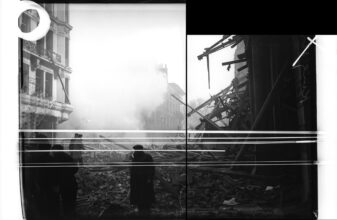
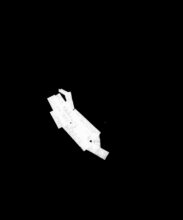
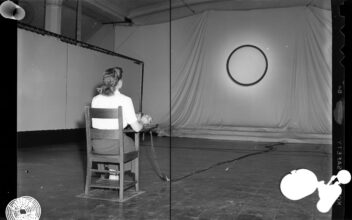
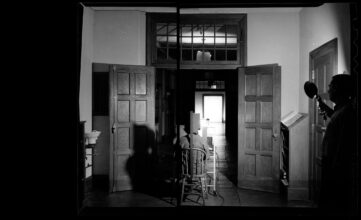
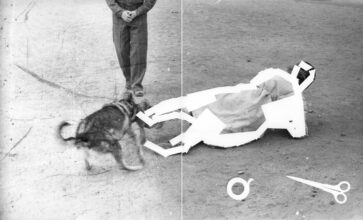
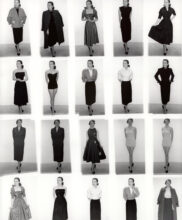
This project explores the intersection of history, political tensions and collective memory through found vernacular photography. Crafted from a personal archive of negatives dating from the 1880s to the 1980s, it reimagines residual narratives contained in anonymous, discarded images to explore a chapter of humanity defined by the lingering tension of nuclear threat and a broader sense of existential anxiety fuelled by political upheavals, war, and unprecedented societal advancements. Unlike digital files, negatives serve as unique and unalterable witnesses to specific moments in time. They bear the tangible weight of the reality they depict, often holding secrets and revealing the biases inherent in the societies that created them.
Forming a constellation of personal and collective experiences, the work explores the dreams and the fears people shared at a time marked by rapid transformations and a common sentiment of escapism, ultimately shaping the relationship between the general public and the power elites. Highlighting the profound flaws of a society that viewed the world through the lingering effects of colonialism, the visual tapestry of ‘Those Who Hear the Ticking’ invites viewers to reflect on photography’s role as a witness and participant in history.
The resulting images, spanning decades of conflicts and social transformation, form a collective visual archive of stories as they intersect through time. They reflect the lives of those who came before us and emphasise the cyclical nature of violence and power.
__________
William Mokrynski is a visual artist whose practice centers on the exploration of vernacular photographic negatives, drawing from an ever-expanding personal archive that serves as both a repository of cultural memory and a catalyst for cross-cultural dialogue. His work investigates the negative as both a physical artifact and a conceptual framework to employ traditional silver-based techniques to reinterpret and excavate visual histories. Through this process, Mokrynski reveals photography’s dual role as a medium of documentation and a site of conceptual and material transformation.
Engaging with themes of memory, loss, and reinterpretation, Mokrynski’s practice invites viewers to reflect on the interplay between presence and absence, history and erasure, and the fluid boundaries between past, present, and future. Through montage, he interrogates how images shape collective memory, examining what is revealed—or concealed—when photographic materials are manipulated, reframed, or altered by time. His reworking of vernacular imagery unearths hidden narratives and cultural resonances, offering fresh perspectives on shared heritage.
Mokrynski’s work has been exhibited internationally at venues such as the Toronto International Art Fair, Kominek Gallery (Berlin), and Fotogalerie Wien (Vienna). He has received numerous awards and residencies, including the Lumen Studios International Residency, and his project Styrannya was nominated for the Star Photobook Dummy Award in 2024. Recently he was selected for the Reminders Photography Stronghold (Tokyo), Photobook as Object workshop taking place later this spring.
Mokrynski holds an MFA in Photography from the Edinburgh College of Art, University of Edinburgh, and studied Photography and New Media at the Ontario College of Art and Design (OCAD) in Toronto.